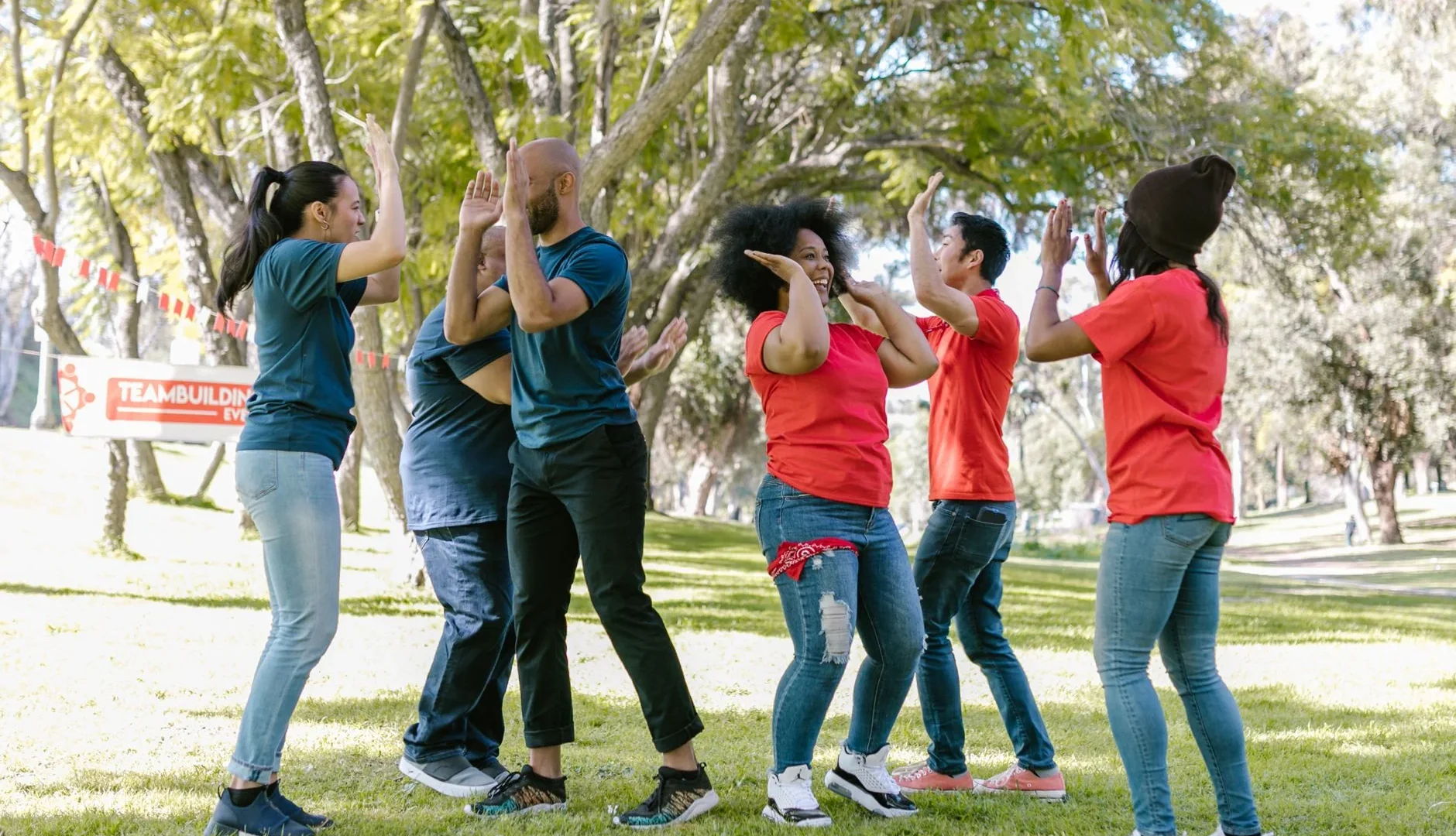
You have a team building budget and a week to spend it, and no clear idea which format changes anything. Here are six options in Riga with prices and an honest answer about what each one gives you.
Team building activities in Riga: six formats and what to expect
The formats differ in one thing: how many people actually talk to each other while it happens. That is the useful way to choose between them.
- An escape room. Teams of 2 to 7, 60 minutes, one shared goal and a clear result. Everyone speaks, because a silent team does not get out.
- A cooking class. Two to three hours. People split into jobs and talk naturally, though a group over 15 runs out of counter space.
- A city quest on foot. Good for a large group and good weather. In November and December in Riga, that second condition is the problem.
- Sports. Volleyball, bowling, karting. Energetic, but part of the group simply does not play and watches from the side.
- A facilitated workshop. The only format that works on processes rather than mood. It also costs the most and takes half a working day.
- Dinner together. Works for a team that is already close. For a new team a table does not start the conversation, it only serves it.
If the team is new, or two departments have just been merged, start with a format that has a shared task and a deadline. Keep dinner for the second half of the evening.
For a department of eight
Two rooms in the same slot, 60 minutes
- Two teams of four, 120 € on a weekday before 18:00
- Everyone talks: staying quiet for an hour is not an option
- You leave with something concrete to discuss about roles in the team
Why an hour in a locked room shows more than a training day
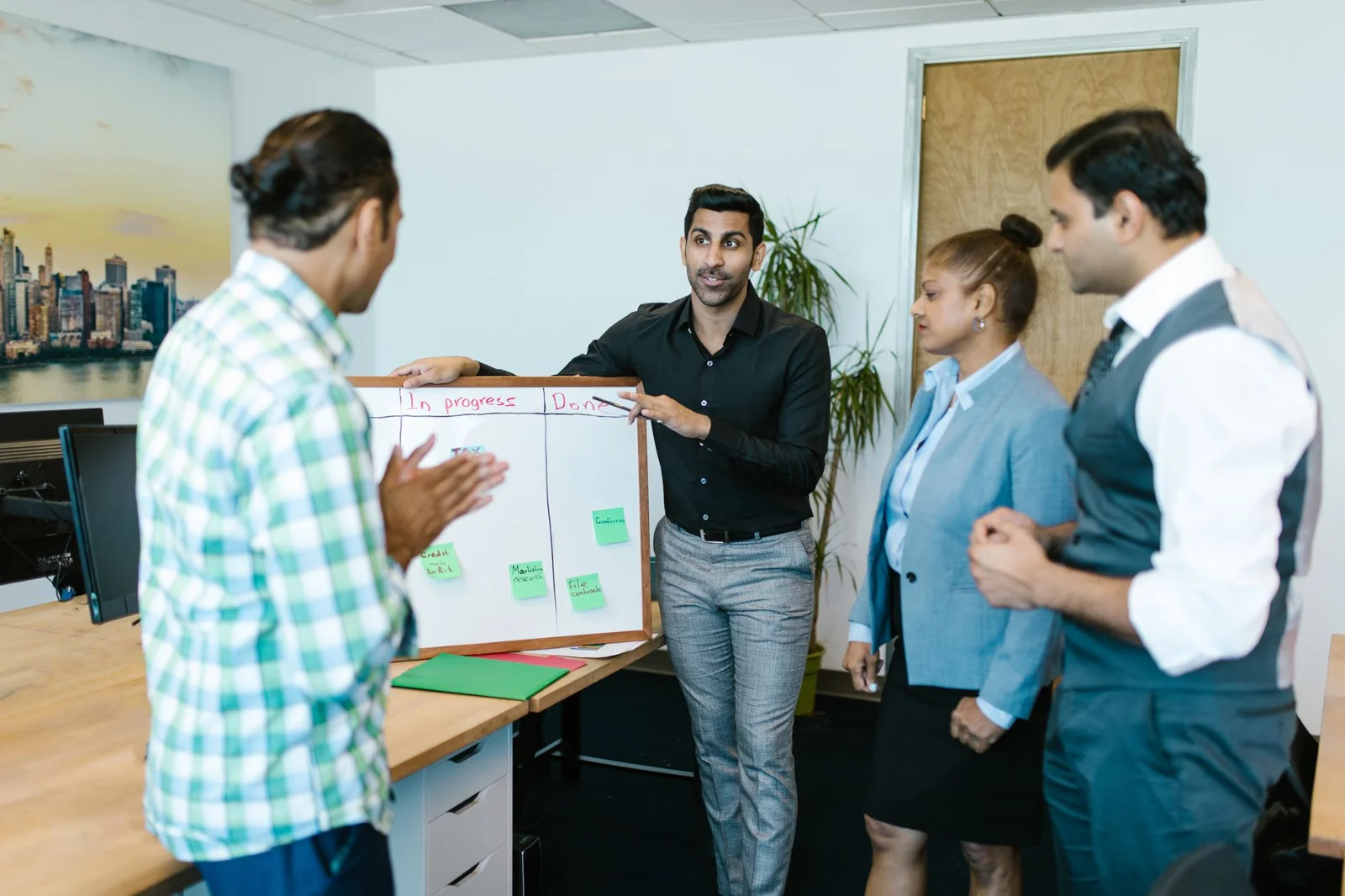
An escape room has everything artificial exercises usually lack: a real time limit, information split between people, and a result nobody reaches alone. In sixty minutes a team runs through a whole work cycle at speed.
What you can see from the outside within fifteen minutes:
- Who takes the lead when nobody has been appointed.
- Who found something important and did not say it out loud. Usually the same person who stays quiet in meetings.
- Whether the team splits the work or all six stand around one lock.
- What happens when the plan fails: the team regroups, or it starts blaming whoever suggested the plan.
Afterwards the game master tells you where the team got stuck and why. That conversation is the most useful part, and it is the part most groups skip by heading straight to a restaurant.
What it costs and how many people fit
You pay per room, not per person. A room holds five players; each additional player is 10 €.
- Monday to Thursday before 18:00: 60 € per room. The last game starts at 17:00.
- Monday to Thursday after 18:00, and Friday: 80 € per room.
- Weekends and public holidays: 100 € per room.
A department of eight on a weekday afternoon is two rooms for 120 €, so 15 € a head. Sixteen people is four rooms for 240 €. Book three rooms or more at once and you can get an individual offer.
The nine rooms sit at three addresses. Meierovica bulvāris 14 has four rooms and space for 22 players in one slot, Jeruzalemes iela 2/4 has three rooms for 15, Miera iela 61 has two rooms for 11.
How to split the teams so the day means something
The split matters more than the choice of room. Three rules that hold up.
- Mix the departments. If marketing plays against marketing, everyone spends the hour talking to the same people they talk to every day.
- Four or five per room. Two people run out of time; seven means two of them stand behind the others.
- Put managers in a different room from their own team. With the boss elsewhere, the rest start making decisions themselves. That is the most interesting thing you will see all day.
If younger guests are joining, mind the age limits: The Experiment and House of Mysteries are 16+, while Sherlock Holmes is 7+ and takes up to seven players.

Three questions to ask the team afterwards
Fifteen minutes of conversation turn an outing into something with a result. These work better than "so, did you enjoy it?":
- Where exactly did we get stuck, and what got us moving again?
- Did anyone know the answer and not get to say it? Why not?
- What from this hour applies to Monday's meeting?
The third question is the reason the whole event happens. If there is no answer to it, change the format next time, not the venue.
Pick the format by the problem, not by the budget
Team building does not fix everything in the same way. Four common situations and what actually helps in each.
- New people have joined. You need a format where the new hire talks to everyone, not only to their manager. Small mixed teams of four, not one table for twenty.
- Two departments have merged. Mix the teams so that no room has a majority from one side. Afterwards, compare how each side went looking for the solution.
- A remote team meeting in person. Almost anything with a shared goal works here. What matters is the time after the event, not the event itself.
- The team is worn out after a long project. Nothing with tasks and deadlines. Dinner or a sauna beats an hour with a countdown timer.
That last one matters. If the team has just survived two months of overtime, another timed task is not entertainment.
What does not work
Three things that regularly appear in budgets and just as regularly deliver nothing.
- Compulsory attendance at the weekend. An event that takes someone's Saturday starts in resentment, and no activity undoes that.
- A format part of the team physically cannot join. Karting or volleyball excludes people, and those same people end up standing on the side.
- An event with no conversation afterwards. If nobody talks about what happened, all that is left is photographs.
How often to do it
Two to four times a year keeps it an event rather than a routine. It works better split up: one larger day for the whole company, plus two smaller ones at team level, where seven people go to one room with no organising committee involved.
The small ones are what change the working week. A room takes up to seven people and costs 60 € on a weekday before 18:00, so a team outing needs neither budget approval nor a month of planning.
Questions people ask
How long should I set aside?
The game is 60 minutes. With the briefing, a group photo and a short talk afterwards, plan for about an hour and a half.
How many people can take part at once?
Up to 22 at one address and up to 48 across all three. A larger group is split into two consecutive slots.
Does it work if nobody has played before?
It does. Every team gets a briefing, and the game master follows the game and gives hints when you are stuck. For first-timers, choose the medium rooms.
Can we book during working hours?
Yes, and it is the cheapest option: 60 € per room on a weekday before 18:00. The last game at that price starts at 17:00.
Are there terms for companies?
Book three rooms or more at once and you can get an individual offer. The details are on the corporate events page.
Pick a weekday slot before 18:00, split people into mixed teams of four, and set aside fifteen minutes to talk afterwards. That is all it takes for something to survive the event.
Pick a room and book
These rooms suit this story. Choose one and book your adventure.

A Cold War underground shelter. Heavy atmosphere and the breath of history at every step.
The Bunker
2-5 · 60 min · 7+
BOOK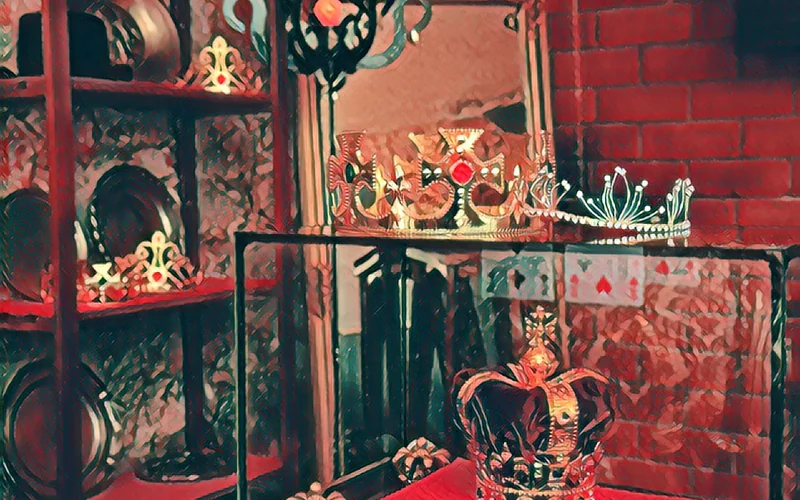
A dark, candlelit study. A classic Victorian-era room for masters of deduction.
Sherlock Holmes
2-7 · 60 min · 7+
BOOK
A high-level spy mission. Break into the bank, find the evidence and escape!
James Bond and the Bank Heist
2-5 · 60 min · 10+
BOOK